
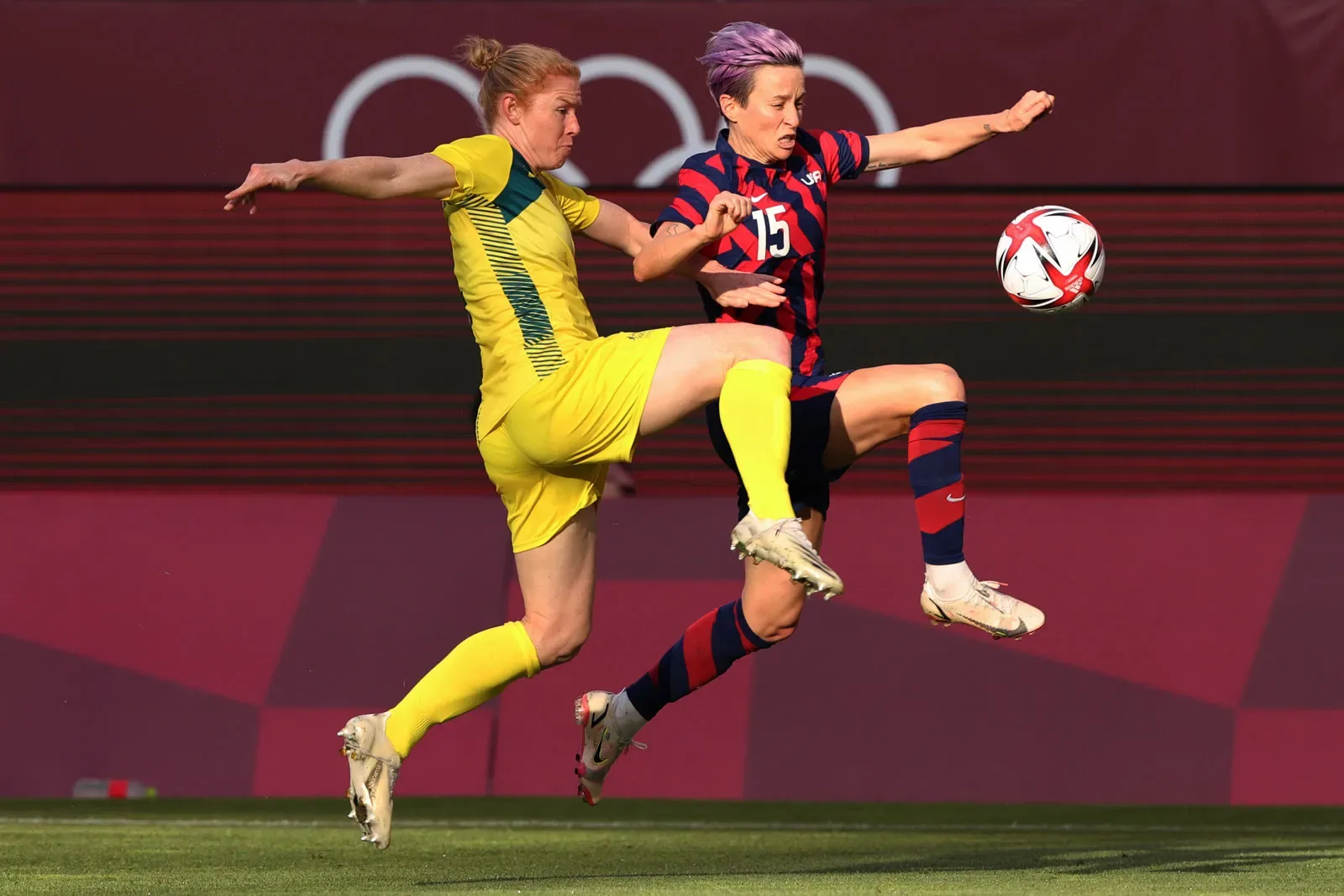


From artwork to sublimated team kit: the production journey

From Artwork to Sublimated Team Kit: The Complete Production Journey
How a Club Design Becomes a Consistent, Quality-Checked Sportswear Collection
A custom team kit begins with an idea.
It may start as a hand-drawn concept, a digital design, a club identity, a set of brand colors, an existing uniform that needs to be updated, or a completely new creative direction for the upcoming season.
Turning that idea into a finished professional teamwear collection, however, requires much more than simply printing a design onto fabric.
A successful custom sportswear project requires careful coordination between artwork, fabric selection, pattern development, sizing, sublimation, cutting, stitching, personalization, quality inspection and final packing.
Every stage matters because a small error introduced early in the process can affect the final appearance of hundreds or thousands of garments.
At THE PAK FIT INDUSTRY, we work with clubs, brands, academies and businesses to turn designs into comfortable, consistent and export-ready sportswear through sampling, customization, manufacturing and quality inspection.
For customers searching for Sportswear's Manufacturer's from Sialkot Pakistan, understanding the complete production journey can help create better specifications, smoother approvals and more consistent finished products.
Overview
This article shares practical guidance from the THE PAK FIT INDUSTRY team in Sialkot.
We explain how a club design can move through the production process from the first artwork file to a finished sublimated team kit.
The process typically includes:
Artwork → Design Review → Technical Specification → Fabric Selection → Digital Preparation → Sublimation → Fabric Inspection → Cutting → Stitching → Personalization → Finishing → Quality Inspection → Packing → Shipment
The objective is simple:
Turn an approved design into a consistent, professionally manufactured teamwear collection that matches the agreed specifications.
Key Take-Aways
Choose fabric and construction for the sport, climate and level of activity.
The right fabric must support the intended sport while also being suitable for the chosen decoration process.
Approve artwork, size grading and a pre-production sample before bulk production.
The approved sample becomes an important reference for the manufacturing team.
Build fabric, decoration, measurements and packing checks into the production plan.
Quality should be controlled throughout the process rather than only after the garments are completed.
Maintain one clear production reference.
Artwork, fabric, colors, measurements, decoration, labels and packaging should all correspond to the approved specification.
1. Every Team Kit Starts With an Idea
Before fabric is ordered or sublimation begins, there is a design concept.
A club may want:
- A completely new home kit
- An updated away kit
- A special tournament kit
- A limited-edition jersey
- A complete team collection
- A new academy uniform
- A training collection
- A private-label sportswear range
The initial concept can be simple or highly detailed.
It may include:
- Club colors
- Club crest
- Sponsor logos
- Stripes
- Geometric patterns
- Gradient effects
- Player numbers
- Player names
- National or regional references
- Special graphics
- Brand identity elements
The first task is to transform this creative idea into a production-ready specification.
2. Artwork Review
The artwork review is one of the first technical stages.
The production team examines the supplied design and identifies information that may need clarification.
This can include:
- Front artwork
- Back artwork
- Sleeve artwork
- Shorts artwork
- Collar design
- Side panels
- Sponsor logos
- Club badges
- Number placement
- Player-name placement
- Color references
- Graphic dimensions
A design that looks perfect on a computer screen may still require technical adjustments before manufacturing.
3. Turning Artwork Into a Production Specification
A production-ready sportswear design needs more than a picture.
It should define:
Product type
What garment is being produced?
Fabric
What material and performance characteristics are required?
Construction
How should the garment be assembled?
Decoration
Will the product use sublimation, heat transfer, embroidery or another method?
Sizing
Which sizes are required?
Personalization
Are player names and numbers required?
Labels
What branding and care information should be included?
Packaging
How should finished garments be packed?
This information creates a practical bridge between design and manufacturing.
4. Why Vector Artwork Is Important
High-quality artwork is important for customized sportswear.
Whenever possible, provide suitable vector artwork for:
- Club logos
- Brand logos
- Sponsor logos
- Typography
- Graphics
Vector artwork can be scaled while maintaining clean edges.
This becomes particularly important when logos must be reproduced consistently across different garment sizes.
5. Confirming Club Colors
Team colors are part of the club identity.
Before production, establish:
- Primary color
- Secondary color
- Accent colors
- Logo colors
- Sponsor colors
Where appropriate, provide recognized color references.
Digital screens can display colors differently, so final color approval should be based on an agreed production reference or approved sample.
6. Understanding Sublimation Printing
Sublimation is a widely used customization method for suitable polyester-based sportswear.
Instead of applying a separate thick graphic layer to the outside of the garment, the design is transferred into the fabric through a controlled heat-transfer process.
This makes sublimation particularly useful for designs containing:
- Multiple colors
- Gradients
- Complex patterns
- Fine graphics
- Sponsor logos
- Team branding
- Player numbers
- Player names
The exact process should be selected according to the fabric and product specification.
7. Preparing Artwork for Sublimation
Before printing, the artwork is prepared according to the garment's production pattern.
The design may need to be mapped onto individual garment panels.
These can include:
- Front body
- Back body
- Sleeves
- Side panels
- Shorts
- Collar sections
The artwork must be positioned carefully so that important design elements appear correctly after cutting and sewing.
8. Pattern Development
The garment pattern determines the physical structure of the product.
Pattern development establishes:
- Body shape
- Panel dimensions
- Sleeve shape
- Collar construction
- Side panels
- Hem
- Shoulder construction
- Short construction
- Measurement points
The sublimated artwork must correspond correctly with these pattern pieces.
This is why artwork preparation and pattern development are closely connected.
9. Size Grading
One design must often be produced across many sizes.
For example:
- XS
- S
- M
- L
- XL
- 2XL
- 3XL
Youth sizes may also be required.
The artwork and pattern must be adjusted appropriately across the complete size range.
A logo that looks correctly positioned on a medium jersey should not automatically be copied at exactly the same physical dimensions onto every other size.
Professional size grading considers the garment's proportions.
10. Selecting the Right Fabric
The fabric should be selected according to the sport, climate and intended use.
Important characteristics can include:
- Breathability
- Moisture management
- Quick drying
- Stretch
- Recovery
- Durability
- Comfort
- Weight
- Color performance
For high-intensity sports, lightweight and breathable materials may be preferred.
For training garments, durability and versatility may receive greater importance.
For cold-weather apparel, heavier or layered constructions may be more appropriate.
11. Fabric and Sublimation Compatibility
Not every fabric is suitable for every decoration method.
For sublimated teamwear, the material should be compatible with the intended sublimation process.
The production team should consider:
- Fiber composition
- Fabric construction
- Surface behavior
- Color development
- Heat response
- Design requirements
Testing and sampling help confirm whether the selected material produces the desired result.
12. Pre-Production Sample
Before bulk production, a pre-production sample should be developed.
The sample allows the customer to evaluate:
- Fabric
- Color
- Artwork
- Fit
- Measurements
- Logo position
- Sponsor position
- Collar
- Sleeves
- Stitching
- Overall appearance
This is one of the most important approval stages.
13. What to Check on the Sample
Do not simply look at the sample and ask whether it "looks good."
Review it systematically.
Fabric
Does the material feel and perform as expected?
Color
Does the color match the approved reference?
Artwork
Are the graphics correctly positioned?
Logos
Are logos correctly sized and placed?
Fit
Does the garment have the intended fit?
Measurements
Do measurements match the approved chart?
Construction
Are seams, collars, sleeves and hems correctly produced?
Decoration
Is sublimation clear and consistent?
Personalization
Are names and numbers correctly positioned?
14. Artwork Approval
Once the design is ready, formal approval is important.
The approval should cover:
- Colors
- Logos
- Graphics
- Sponsor positions
- Player names
- Player numbers
- Fonts
- Collar
- Sleeves
- Shorts
- Other design elements
A documented approval reduces confusion later in the production process.
15. Size Chart Approval
The size chart should also be approved.
Measurements may include:
- Chest
- Waist
- Hip
- Shoulder
- Sleeve length
- Body length
- Trouser length
- Inseam
The approved measurement chart becomes a reference for production inspection.
16. Sublimation Production
Once the artwork and fabric are approved, sublimation production can begin.
The basic process involves:
Digital Artwork → Print Preparation → Transfer Printing → Heat Application → Fabric Inspection
The exact equipment, temperature, pressure and timing should be controlled according to the selected fabric and production requirements.
17. Maintaining Color Consistency
Color consistency is especially important for teamwear.
A club expects its jerseys to look like part of one collection.
Variations may occur if production is not carefully controlled.
Important factors include:
- Approved artwork
- Color references
- Printing settings
- Fabric consistency
- Production batch control
- Quality inspection
The production team should use an approved reference when checking completed garments.
18. Printing the Design
The prepared artwork is printed according to the production specification.
The printed design must correspond to the intended garment panels.
Important details include:
- Correct panel
- Correct size
- Correct orientation
- Correct artwork
- Correct color
- Correct quantity
A systematic production process reduces the possibility of mixing panels or designs.
19. Heat Transfer to the Fabric
The printed design is transferred onto suitable fabric through controlled heat and pressure.
The process must be appropriate for:
- Fabric type
- Fabric construction
- Ink system
- Artwork
- Required appearance
The objective is to produce a clean and consistent result across the production batch.
20. Printed Fabric Inspection
After sublimation, the printed fabric should be inspected before cutting.
Checks may include:
- Color
- Print clarity
- Graphic alignment
- Missing areas
- Stains
- Printing defects
- Incorrect panels
- Design accuracy
This stage is important because cutting defective printed fabric can create unnecessary material loss.
21. Matching the Printed Design to the Pattern
The printed artwork and physical pattern must align.
For example, a stripe running across the front of a jersey should connect correctly when the garment is assembled.
Similarly:
- Side graphics should align
- Sleeve graphics should be positioned correctly
- Logos should remain within their intended areas
- Patterns should meet appropriately at seams
This is an important aspect of professional sublimated teamwear production.
22. Cutting the Fabric
Once printed fabric has passed inspection, the panels can be cut according to the approved patterns.
Cutting may include:
- Front panels
- Back panels
- Sleeves
- Side panels
- Collar
- Shorts
- Other garment components
Accurate cutting is essential because incorrectly cut panels can affect both fit and design alignment.
23. Cutting Quality Checks
Before panels enter stitching, inspect:
- Panel shape
- Panel size
- Pattern accuracy
- Design placement
- Size identification
- Quantity
- Color matching
This provides another opportunity to identify issues before assembly.
24. Sorting Panels
After cutting, panels need to be organized.
Panels can be sorted according to:
- Product
- Size
- Colorway
- Design
- Order
- Team
- Player personalization
Proper organization helps prevent mixing different products or sizes during stitching.
25. Stitching and Garment Assembly
The cut panels are then assembled.
Depending on the garment, stitching may involve:
- Shoulder seams
- Side seams
- Sleeve attachment
- Collar attachment
- Hem construction
- Waistband
- Cuffs
- Short assembly
The stitching method should be appropriate for the selected fabric and intended activity.
26. Stitching Quality
Stitching should be inspected for:
- Consistency
- Seam strength
- Alignment
- Loose threads
- Uneven seams
- Skipped stitches
- Incorrect construction
Sportswear often experiences repeated movement and washing, so construction quality is important for long-term use.
27. Collar and Neck Construction
The collar is an important comfort and appearance feature.
Depending on the design, it may include:
- Round neck
- V-neck
- Ribbed collar
- Fold-over collar
- Custom collar construction
The collar should maintain its intended shape while providing comfortable wear.
28. Sleeve Construction
Sleeves should match the approved design.
Check:
- Length
- Width
- Shape
- Seam placement
- Artwork alignment
- Hem
For sports garments, sleeve construction should allow appropriate movement.
29. Player Names and Numbers
Many team kits require individual personalization.
A production list should contain:
- Player name
- Player number
- Size
- Product
- Quantity
The list should be checked carefully before production.
30. Personalization Quality Control
Inspect every personalized garment for:
- Correct player name
- Correct number
- Correct font
- Correct position
- Correct size
- Correct color
- Correct spelling
A single personalization error can make an otherwise correctly manufactured garment unusable for its intended player.
31. Sponsor and Club Logo Placement
Club and sponsor branding should be checked against the approved artwork.
Important factors include:
- Position
- Size
- Orientation
- Color
- Alignment
Branding should remain consistent throughout the complete team collection.
32. Labels and Branding
Custom teamwear may include:
- Neck labels
- Size labels
- Care labels
- Brand labels
- Woven labels
- Printed labels
Labels should be correctly positioned and securely attached.
For private-label projects, labels can also help establish a complete brand identity.
33. Finishing
After stitching and personalization, garments undergo finishing.
Finishing can include:
- Thread trimming
- Cleaning
- Final pressing where appropriate
- Label checking
- Appearance inspection
- Folding
The garment should be presented in a clean and professional condition.
34. Measurement Inspection
Finished garments should be measured against the approved size chart.
This can include:
- Chest width
- Body length
- Shoulder width
- Sleeve length
- Waist
- Hip
- Inseam
- Outseam
Production tolerances should be agreed according to the product requirements.
35. Overall Appearance Inspection
The complete garment should be reviewed.
Inspect:
- Fabric
- Color
- Logo
- Names
- Numbers
- Stitching
- Collar
- Sleeves
- Hem
- Labels
The objective is to ensure that the finished product matches the approved reference.
36. Quality Control Is a Continuous Process
Quality control should not begin only when the order is finished.
A stronger approach is:
Fabric Check → Artwork Check → Printing Check → Cutting Check → Stitching Check → Personalization Check → Measurement Check → Final Inspection → Packing Check
Each stage protects the next stage.
37. Final Quality Inspection
Before packing, a final inspection should confirm:
Product
Correct product and design.
Size
Correct size and measurement.
Color
Correct approved color.
Artwork
Correct graphics and logos.
Personalization
Correct player names and numbers.
Construction
Correct stitching and finishing.
Quantity
Correct number of garments.
38. Packing the Team Kit
Packing requirements should be defined before production.
Options may include:
- Individual polybags
- Size-specific packing
- Player-specific packing
- Team-set packing
- Custom packaging
- Hangtags
- Barcode labels
For team orders, player-specific packing can make distribution easier.
39. Carton and Shipment Checks
Before shipment, check:
- Carton quantity
- Product quantity
- Size breakdown
- Product labels
- Packing list
- Destination information
The shipment should correspond to the approved order.
40. Creating a Consistent Collection
A teamwear project often includes multiple products.
For example:
Match Collection
- Jersey
- Shorts
- Socks
Training Collection
- Training shirt
- Training shorts
- Training pants
Travel Collection
- Tracksuit
- Jacket
- Polo
Supporter Collection
- Replica jersey
- Hoodie
- Cap
Although these products may use different fabrics and construction methods, they should share a consistent visual identity.
41. Maintaining Brand Consistency
A strong teamwear collection should maintain consistency in:
- Club colors
- Logo treatment
- Typography
- Graphic language
- Sponsor placement
- Labels
- Packaging
This creates a recognizable identity across the complete collection.
42. Managing Multiple Colorways
A club may require:
- Home colorway
- Away colorway
- Third kit
- Goalkeeper kit
- Training colorway
Each colorway should have its own approved artwork and production reference.
This reduces the risk of accidentally using the wrong design.
43. Managing Multiple Products
When a collection contains many products, organization becomes increasingly important.
A production specification should clearly identify:
- Product code
- Product name
- Colorway
- Size
- Artwork
- Fabric
- Decoration
- Quantity
This allows the manufacturing process to remain organized.
44. Product Coding
Product codes can help identify garments.
For example:
PFI-FB-HJ-001
could represent a football home jersey.
Other codes can be created for:
- Away jerseys
- Training shirts
- Shorts
- Tracksuits
- Jackets
Product coding becomes especially useful for larger orders.
45. Managing Bulk Quantities
A large teamwear order may contain hundreds or thousands of garments.
The production plan should therefore separate quantities by:
- Product
- Color
- Size
- Personalization
- Packing requirement
A detailed production sheet can help reduce mistakes.
46. Why the Pre-Production Sample Matters
The pre-production sample becomes a physical reference.
It helps establish:
- Fabric feel
- Color
- Fit
- Artwork
- Construction
- Decoration
- Measurements
- Overall appearance
Bulk production should follow the approved reference as closely as possible.
47. What Happens When a Design Changes?
Design changes are common during development.
However, changes should be documented before bulk production.
If artwork changes after approval, the production team may need to update:
- Artwork files
- Printing files
- Patterns
- Samples
- Production sheets
- Packing information
This is why final approval should occur before bulk production begins.
48. Production Documentation
A professional production package may contain:
- Approved artwork
- Measurement chart
- Fabric specification
- Decoration instructions
- Product codes
- Size breakdown
- Player list
- Packaging instructions
- Quality checklist
This documentation creates a common reference.
49. The Role of Quality Inspection
Quality inspection protects both the customer and the production process.
It helps identify issues involving:
- Fabric
- Color
- Printing
- Cutting
- Stitching
- Measurements
- Personalization
- Packaging
A documented inspection process also makes quality expectations clearer.
50. A Practical Example: From Club Design to Finished Kit
Imagine a football club wants a new custom home kit.
Stage 1 — Design
The club supplies a blue and white design with its crest and sponsor logo.
Stage 2 — Technical Review
The artwork, colors, logos and garment details are reviewed.
Stage 3 — Fabric Selection
A suitable performance fabric is selected based on the club's playing environment.
Stage 4 — Pattern Development
The jersey pattern is created and the artwork is mapped onto the panels.
Stage 5 — Sample
A sample jersey is produced.
Stage 6 — Approval
The club checks fabric, colors, fit, artwork and measurements.
Stage 7 — Sublimation
Approved artwork is produced onto the selected fabric.
Stage 8 — Cutting
Printed fabric is cut into production panels.
Stage 9 — Stitching
Panels are assembled into finished jerseys.
Stage 10 — Personalization
Player names and numbers are applied according to the approved list.
Stage 11 — Inspection
Finished jerseys are inspected.
Stage 12 — Packing
Garments are packed according to the agreed requirements.
Stage 13 — Shipment
The completed team kit is prepared for delivery.
This is how a digital design becomes a physical teamwear collection.
51. Common Production Problems and How to Reduce Them
Incorrect Artwork
Solution: Approve final production artwork before printing.
Wrong Color
Solution: Use an approved color reference and sample.
Incorrect Size
Solution: Approve a measurement chart and inspect finished garments.
Logo Misplacement
Solution: Define logo positions in the technical specification.
Player Name Errors
Solution: Use a verified personalization list.
Panel Alignment Problems
Solution: Check artwork mapping and cutting before stitching.
Packing Errors
Solution: Use a final packing checklist.
52. How Clubs Can Prepare Better
Clubs can make the process easier by preparing:
- Final artwork
- Correct logos
- Color references
- Size chart
- Quantity
- Player list
- Sponsor details
- Packaging requirements
- Delivery destination
- Required delivery date
The better the information at the beginning, the smoother the production process can become.
53. What Brands and Distributors Should Consider
For private-label customers, additional information may include:
- Brand identity
- Product codes
- Labels
- Packaging
- Hangtags
- Barcodes
- Retail requirements
- Collection structure
- Seasonal colorways
A clear product-development system can help maintain consistency across an entire collection.
54. Why Sialkot Is Relevant to Custom Sportswear
Sialkot has an established manufacturing environment with skilled production capabilities supporting sports-related products and customized apparel.
For customers searching for Sportswear's Manufacturer's from Sialkot Pakistan, the important consideration is not simply location.
The focus should be on:
- Product development
- Skilled garment production
- Customization
- Sampling
- Quality control
- Production consistency
- Export preparation
At THE PAK FIT INDUSTRY, these stages form part of our approach to custom sportswear development.
55. THE PAK FIT INDUSTRY Production Approach
At THE PAK FIT INDUSTRY, our objective is to help customers move through a structured production journey.
Concept
Understand the customer's product idea.
Design
Develop and review artwork.
Fabric
Select material according to sport and intended use.
Pattern
Prepare garment construction and size grading.
Sample
Produce a pre-production reference.
Approval
Confirm artwork, fabric, measurements and construction.
Manufacturing
Proceed with bulk production according to the approved reference.
Customization
Complete logos, names, numbers, labels and other requirements.
Quality Inspection
Inspect fabric, decoration, stitching, measurements and finishing.
Packing
Prepare products according to the agreed packing plan.
Shipment
Prepare the completed order for delivery.
56. The Importance of Consistency
A professional teamwear collection should look like one collection.
A player wearing one jersey should see the same:
- Color
- Logo
- Graphic language
- Typography
- Construction quality
as another player wearing the same product.
Consistency becomes even more important when an order contains hundreds or thousands of pieces.
57. Consistency Across Sizes
The design should remain visually balanced across different sizes.
Consider:
- Logo scaling
- Sponsor placement
- Number placement
- Graphic positioning
- Stripe alignment
- Collar proportions
A production-ready design should account for size differences rather than treating every size as identical.
58. Consistency Across Production Batches
Some clubs reorder the same design later.
This creates an additional challenge.
A strong production record should retain:
- Artwork
- Fabric reference
- Color reference
- Pattern
- Measurement chart
- Decoration details
- Labels
- Packaging
This information can help support consistency for repeat orders.
59. Export-Ready Sportswear
International customers often require more than a finished garment.
Export-ready production may involve:
- Correct labeling
- Packing lists
- Carton identification
- Product quantities
- Shipping information
- Destination requirements
These requirements should be discussed before production begins.
60. Final Production Checklist
Before releasing a teamwear order for shipment, verify:
Artwork
- Approved design
- Correct logos
- Correct colors
- Correct graphics
Fabric
- Approved fabric
- Correct performance characteristics
- Fabric inspection completed
Production
- Correct cutting
- Correct stitching
- Correct construction
- Correct personalization
Measurements
- Size chart approved
- Finished measurements checked
Quality
- Printing inspected
- Decoration inspected
- Stitching inspected
- Finishing inspected
Packing
- Correct sizes
- Correct quantities
- Correct names/numbers
- Correct labels
- Correct packaging
Shipment
- Packing list checked
- Cartons checked
- Destination confirmed
Conclusion
The journey from artwork to sublimated team kit is a carefully coordinated process.
It begins with a club's creative idea and continues through artwork preparation, technical specification, fabric selection, pattern development, size grading, sublimation, fabric inspection, cutting, stitching, personalization, finishing, quality inspection and final packing.
Every stage contributes to the final result.
The quality of the finished teamwear collection depends not only on the design but also on how accurately that design is translated into a physical product.
Choose fabric and construction for the sport, climate and level of activity.
Approve artwork, size grading and a pre-production sample before bulk production.
Build fabric, decoration, measurements and packing checks into the production plan.
A clear production reference, careful sampling and documented quality checks can help transform a digital design into a consistent and professional sportswear collection.
For organizations searching for Sportswear's Manufacturer's from Sialkot Pakistan, the key is to work from clear specifications and maintain consistency throughout the production journey.
At THE PAK FIT INDUSTRY, we work with clubs, brands, academies and businesses to turn designs into comfortable, consistent and export-ready sportswear through sampling, customization, manufacturing and quality inspection.
Ready to Turn Your Design Into a Team Kit?
Whether you are preparing a new football kit, cricket collection, basketball uniform, academy teamwear, training range or private-label sportswear collection, the process starts with your design and requirements.
Prepare:
- Your artwork
- Product type
- Sport
- Fabric preference or performance requirements
- Quantity
- Size range
- Player names and numbers
- Branding requirements
- Packaging requirements
- Delivery destination
Our team can review your requirements and help establish a practical production direction.
Next Steps
Send your design, product type, quantity and delivery destination to our sportswear team for a practical recommendation.
THE PAK FIT INDUSTRY
Artwork • Fabric Selection • Pattern Development • Sublimation • Customization • Sampling • Manufacturing • Quality Inspection • Packing • Export-Ready Sportswear
From Your Artwork to a Consistent, Quality-Checked Team Kit.